Consumer Guide
What is organic food?
Organic foods, also known as “biological” or “organic,” are those produced through organic farming and certified to ensure they meet the standards of this production system. These standards prohibit the use of synthetic chemicals, such as pesticides and herbicides. Genetically modified organisms (GMOs) are also not permitted. In organic livestock farming, the preventive use of antibiotics is prohibited—a practice that should generally be avoided to prevent the serious health problems caused by the emergence of antibiotic-resistant bacteria.
The use of additives in the production of organic foods is highly restricted; only a small number of processing aids necessary for processing are permitted, and the use of other additives, such as colorants, is not allowed.
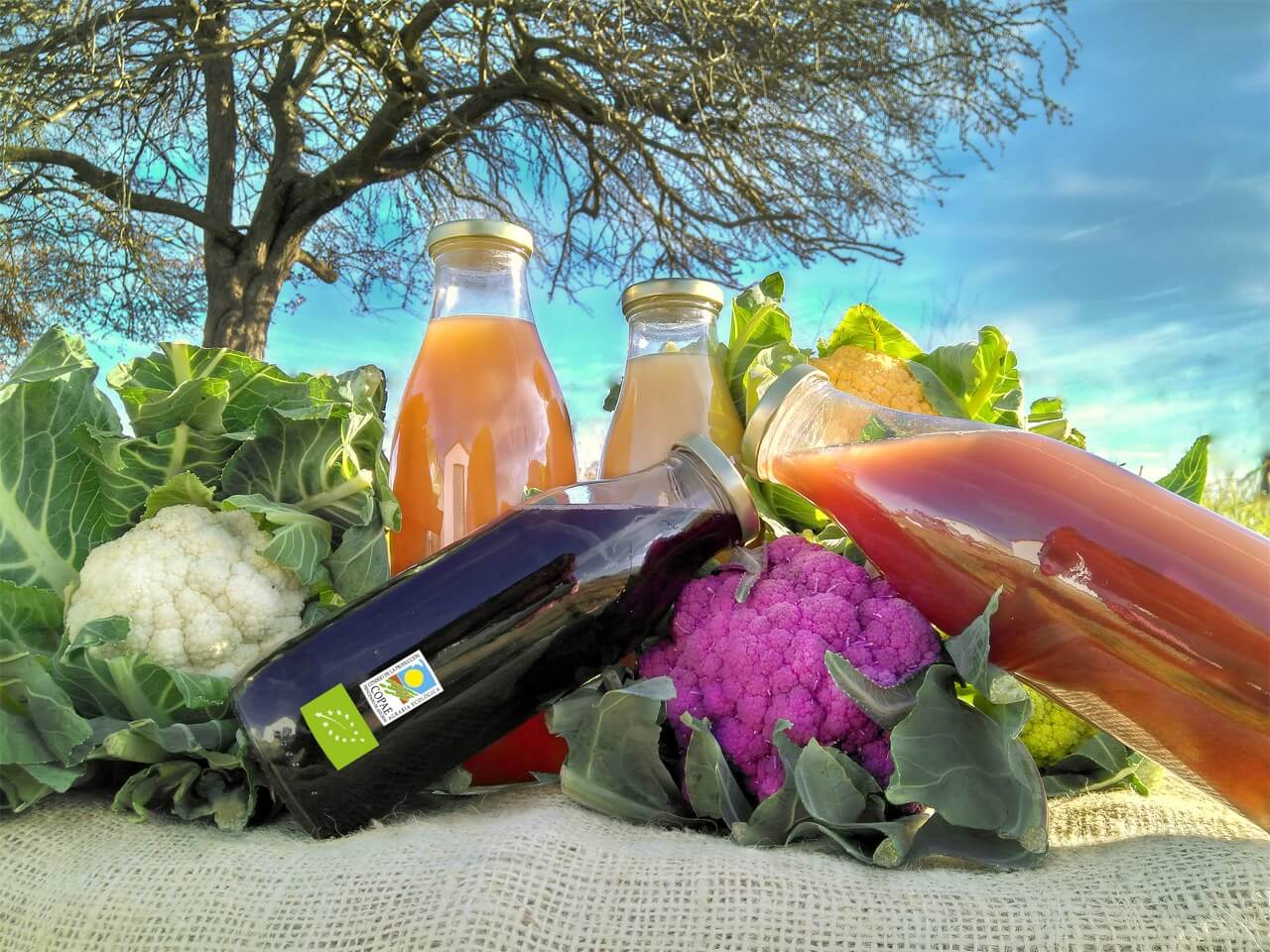
Organic foods are required to comply with the same European food regulations as all other foods, which means they are subject to double scrutiny.

Why do we eat organic food?
There are many reasons to choose organic produce; we often choose it for its flavor, but it is also the most recommended option for a healthy diet. In addition to being free of pesticide residues, organic products tend to have a number of other beneficial nutritional properties that stem from the production system.
This has been demonstrated in numerous scientific studies. For example, organic milk and meat have higher levels of healthy fatty acids because the animals are fed primarily on grass and forage.
Health authorities are aware of the health benefits of organic foods, which is why the Healthy Eating and Organic Production Program was launched in school cafeterias in Asturias. This program addresses the need to improve children’s diets by enhancing the nutritional balance of school meals and incorporating educational elements to foster healthy eating habits, respect for the environment, and the philosophy of responsible and fair consumption—all through raising awareness of the benefits of organic farming and its gradual incorporation into school cafeterias.
COPAE participates in this program, which is sponsored by the Regional Ministries of Health, Education, and Rural Affairs, as part of an ongoing, cross-sectoral initiative.

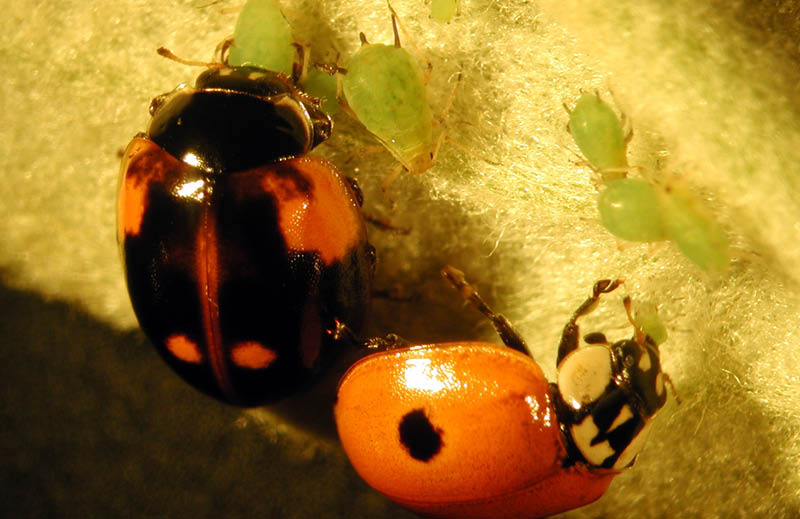
In addition to the health benefits, we must also consider the environmental benefits
Organic farming must maintain and increase soil fertility and preserve the health of natural resources—soil, water, and air—as well as maintain a high level of biodiversity.
Furthermore, organic production standards set the benchmark for animal welfare, providing animals with housing conditions that allow them to behave naturally.
Organic farming contributes to rural development because it is a production system more closely tied to the land and serves as an alternative for sustaining small-scale farming in rural areas.
Organic production standards promote short supply chains to make food systems more sustainable.
For this reason, the labeling regulations for organic foods include a statement that identifies the place of origin of the raw materials.
Who oversees organic production?
For a food product to be considered organic, it must have been produced in accordance with strict organic production standards and be certified by a control and certification body. COPAE oversees the various registered operators at all stages of production, processing, and marketing of organic products. COPAE inspectors periodically conduct thorough checks through inspections and audits of registered operators. All operators are inspected at least once a year, and unannounced inspections are also conducted. These controls include taking samples of the various products, which are sent to accredited laboratories to ensure the complete absence of residues of prohibited substances, such as pesticides, genetically modified organisms, antibiotics, unauthorized additives, etc.
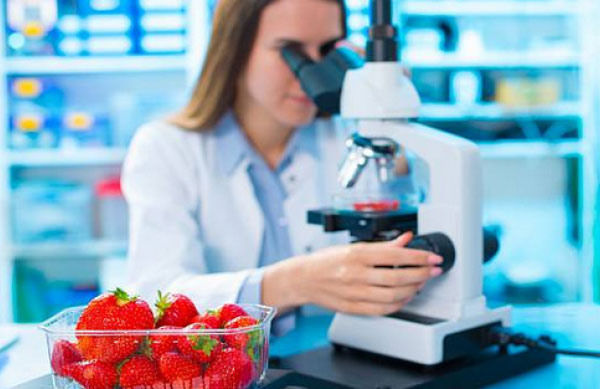
All operators registered with COPAE are required to comply with organic production standards and to maintain a series of records and documentation to ensure compliance with the regulations.
How can I tell if a food product is organic?
For a product to be considered organic, it must be certified by an authorized inspection and certification body. Organic foods must always be identified by the code or logo of the certification body and the European organic production seal, which guarantees that the product has passed all the tests and inspections required of all organic producers. Only certified organic foods may bear these designations.
Name
Only certified organic foods may bear these labels.
ORGANIC
ECO
BIOLOGICAL
BIO
ORGANIC
European Seal
This is the European organic label that must appear on the packaging.

Organization logo
In the case of Asturias, the certification body is COPAE; its code is ES-ECO-012-AS, and its logo is this one:

Where can I find organic food?
View the registry of retail businesses registered with COPAE
It is becoming easier and easier to find organic products at retail outlets, and there are various ways to find them. Some stores sell organic products in bulk in smaller quantities; to do so, they must be registered with COPAE’s Retailers Registry in order to pass the mandatory inspections.
In this directory, you can find registered businesses by location or type of business and activity. These are recommended retail outlets, as they typically sell locally sourced or bulk products, using less plastic packaging. Check to see if your preferred store is listed and monitored by COPAE. If not, please let us know. Ask your trusted store for all the necessary consumer information.
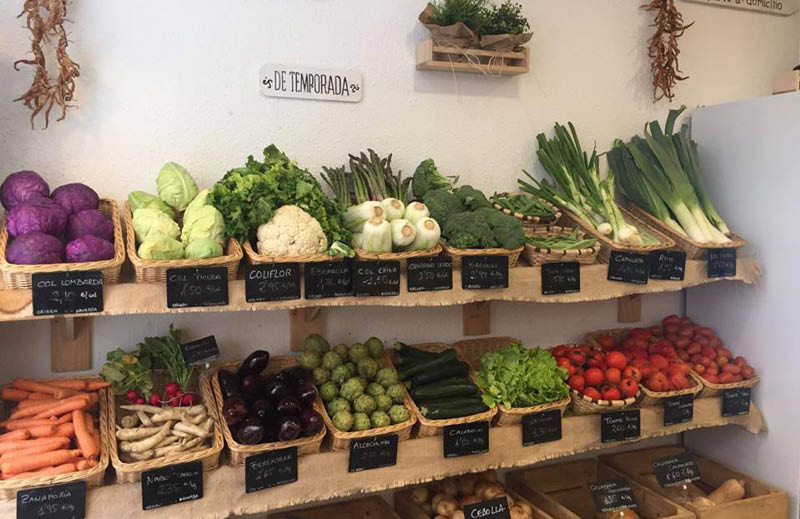
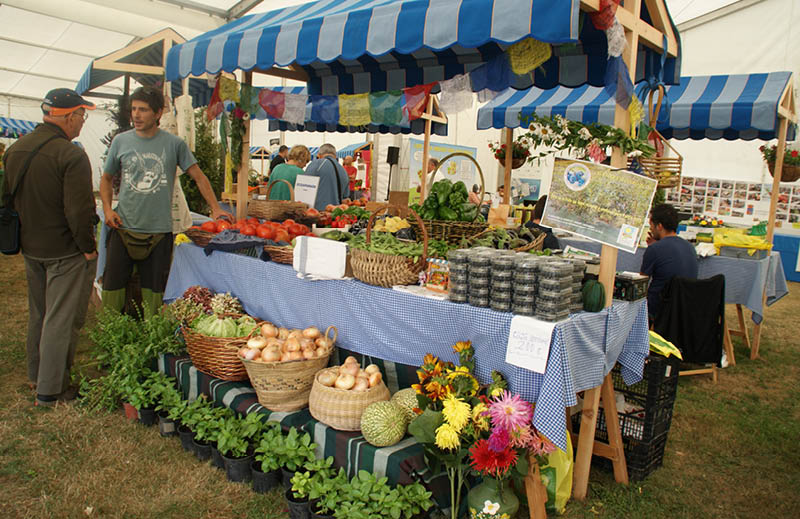
View the list of producers registered with COPAE
View a list of restaurants serving organic food

To contact other types of businesses, such as companies that produce organic food.
